Spotting a hazardous tree in Louisiana
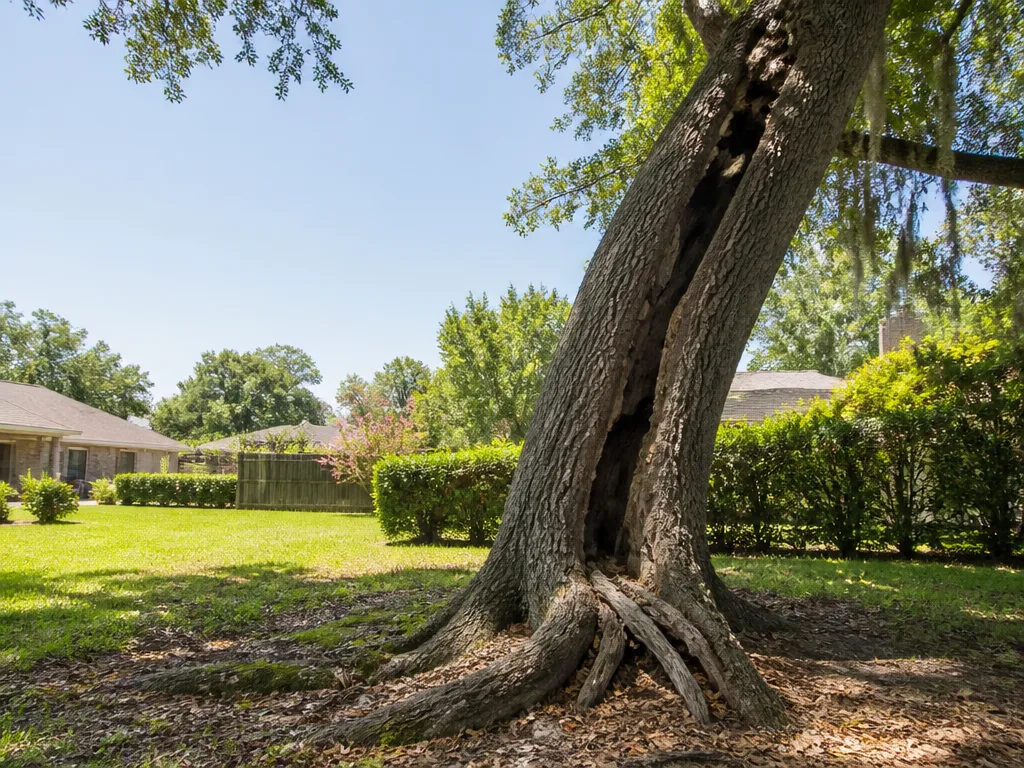
Across Louisiana, a healthy lawn depends on safe trees. A lawn care specialist from Louisiana Hazardous Tree Removal will tell you to look for subtle and not so subtle clues. Start with the trunk. If you notice sudden cracks, splits, or sections that look hollow, that’s a red flag. Inspect the top of the tree as well; dead or sparse crowns, or a canopy that suddenly thins, can indicate structural weakness. Pay attention to roots near sidewalks or driveways. If you see exposed roots, uplifted pavement, or sudden shifts in soil around the trunk, call a pro.
Weather plays a big role in Louisiana. High humidity and heavy rains can accelerate root rot or cause branches to loosen. If you observe a tree that leans more than a few inches over a season, or if wind storms bend branches in ways that seem unusual, that signals potential danger. Our crews in every Louisiana metro routinely assess trees for these risks and know where to focus on prevention.
What to check around your property
Look at nearby structures. A leaning tree near a home, fence, or shed deserves more attention. Examine the soil at the base after a rainstorm; soft, muddy, or cracking soil can indicate compromised stability. If you see mushroom growth at the base, that can be a sign of internal decay. Any of these observations should prompt a consultation with a lawn care specialist from Louisiana Hazardous Tree Removal.
Ask yourself how long a problem has been visible. Sudden changes in weight, shape, or color of leaves may point to disease or decay that weakens the tree. In Louisiana, seasonal shifts can mask issues, so it helps to have a professional take a closer look, rather than assuming the tree will recover on its own.
What a professional assessment looks like
A licensed lawn care specialist from Louisiana Hazardous Tree Removal will conduct a careful inspection. They’ll check for cracks in the trunk, signs of decay in the base, and any movement when the tree is lightly rocked. They’ll note any deadwood that could fall with the next storm. The goal is to determine whether pruning, bracing, or removal is the safest option for your yard across Louisiana.
After the evaluation, you’ll get a clear plan. It might be targeted pruning to remove hazardous limbs, or a removal if the risk to your home or people is too high. In any case, the approach is practical and focused on safety for Louisiana homeowners and their families.
Quick actions you can take now
Clear small, dead limbs from low down in the canopy with care. Avoid climbing near a tree that looks unstable. If you need to prune, let a lawn care specialist handle it; improper cuts can worsen instability. Keep pathways and doorways clear so if a limb does fall, there is minimal risk to people and property.
- Note the location and size of any problem tree
- Schedule a quick safety check with Louisiana Hazardous Tree Removal
- Plan any removal or bracing during calmer weather windows
Remember, these signs don’t always mean immediate danger, but they do justify a professional second look. Across Louisiana, our crews bring practical know-how to determine the safest path forward for your yard.